


2026 Nissan Kicks vs 2026 Hyundai Kona
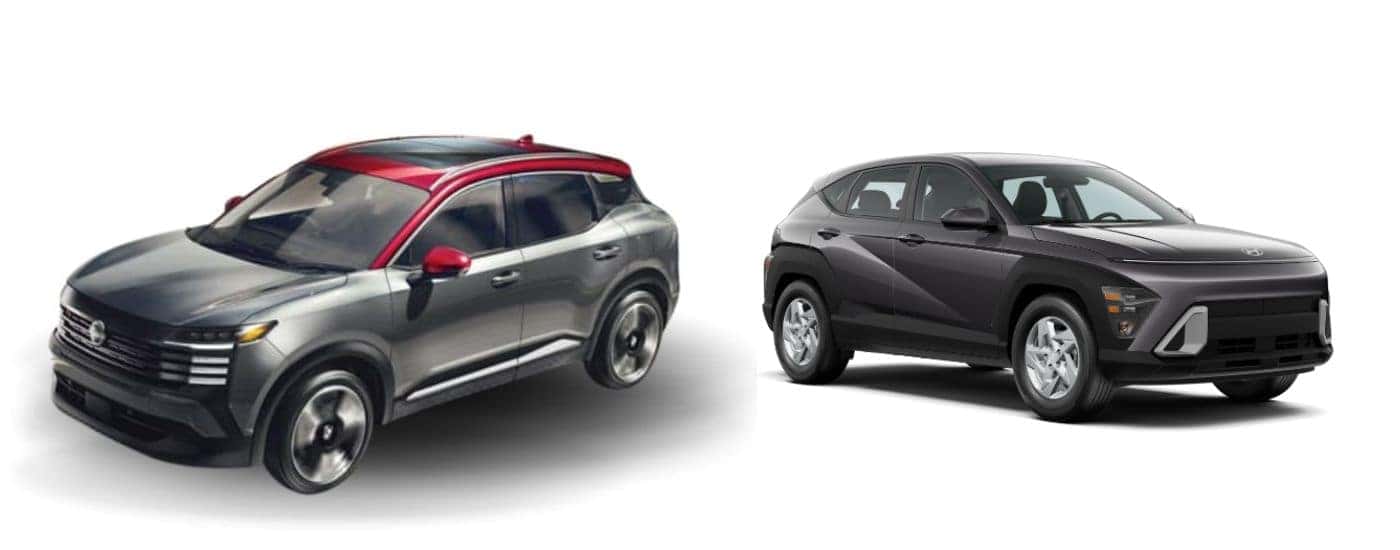
The subcompact SUV segment continues to grow as more drivers look for a vehicle that balances affordability, efficiency, and everyday practicality. Models like the 2026 Nissan Kicks and 2026 Hyundai Kona are right at the center of that conversation, offering modern styling, compact dimensions, and the kind of technology today’s drivers expect. For commuters, first-time buyers, and anyone navigating busy streets or tight parking situations, both of these SUVs check a lot of the right boxes.
Part of what makes this segment so competitive is how closely matched many of these vehicles are on the surface. Both the Kicks and the Kona offer updated designs, user-friendly infotainment systems, and the versatility that comes with a subcompact SUV footprint. They’re easy to drive, efficient enough for daily use, and practical for a wide range of lifestyles, from solo commuters to small families.
However, when you take a closer look at the 2026 Nissan Kicks vs 2026 Hyundai Kona, key differences start to stand out—especially for shoppers who are focused on long-term value, efficiency, and real-world usability. While the Kona is a solid contender, the 2026 Nissan Kicks delivers strong advantages in the areas that matter most daily.
From its more accessible price point to its more efficient performance to its more usable cargo space, the Kicks is built with practical drivers in mind. Let’s take a closer look at three areas where the Kicks clearly pulls ahead of the Kona.
| 2026 Nissan Kicks | VS | 2026 Hyundai Kona |
|---|---|---|
| $22,730[a] | MSRP | $25,500 |
| 30 cu.ft. | Cargo Space | 25.5 cu.ft |
| 12.3 in | Screen Size | 12.3 in |
Value

For many buyers in the subcompact SUV segment, value isn’t just a nice bonus—it’s a priority. Whether you’re purchasing your first vehicle, upgrading from an older model, or simply trying to stay within a realistic budget, getting the most for your money matters. This is where the 2026 Nissan Kicks immediately stands out compared to the 2026 Hyundai Kona.
The first and most obvious advantage is the starting price. The 2026 Kicks comes in at a significantly lower price point than the Kona across comparable trims, making it far more approachable for budget-conscious drivers. It starts at an MSRP of $22,730, while the 2026 Kona starts at $25,500—nearly $3,000 more.[a]
It gets even more egregious on the higher-end trims. The top-end Kicks SR starts at $27,565, which is over $5,000 less than the top Kona Limited, which starts at $32,650.[a] That lower price point can have a ripple effect across the entire ownership experience, from reduced monthly payments to increased flexibility when choosing trims and available features.
Bang for Your Buck
The 2026 Kicks is available in three trims—the S, SV, and SR—while the Kona is available in four—the SE, SEL Sport, SEL Premium, and Limited. Combined with the lower pricing, having three trims to choose from makes both learning about and choosing your options quick and straightforward.
What makes the Kicks especially compelling, though, is that it doesn’t feel or look like a budget vehicle, especially in comparison to the Kona, where you won’t see that extra money you spend translate into a vastly superior experience. Nissan has done a strong job of giving the Kicks a modern, refined interior that feels competitive with higher-priced rivals.
One of the standout features is the standard 12.3-inch infotainment center you get across all trims, which matches what you’ll find in the pricier Kona. That means if you’re sacrificing anything just to save money, you can take solace in knowing it isn’t in screen size, connectivity, or overall usability. And of course, you get fan-favorite tech features like wireless Apple CarPlay and Android Auto.
Beyond tech, the cabin layout is intuitive and driver-focused, making it easy to adjust settings, access apps, and stay connected while on the road. For many buyers, this kind of user-friendly design is just as important as having the latest features, and the Kicks delivers in a way that feels natural rather than overwhelming.
The Big Picture
There’s also the long-term financial side to consider. A lower purchase price typically leads to lower monthly payments, which can make a noticeable difference over the course of a loan or lease, regardless of its length. Insurance costs may also be more manageable, and when combined with the Kicks’ efficiency, the overall cost of ownership becomes even more appealing.
When you step back and look at the full picture, the 2026 Nissan Kicks offers a level of value that’s hard to ignore. It gives you the features you want, the design you expect, and the affordability that makes ownership more accessible—all without asking you to compromise.
Efficiency and Performance
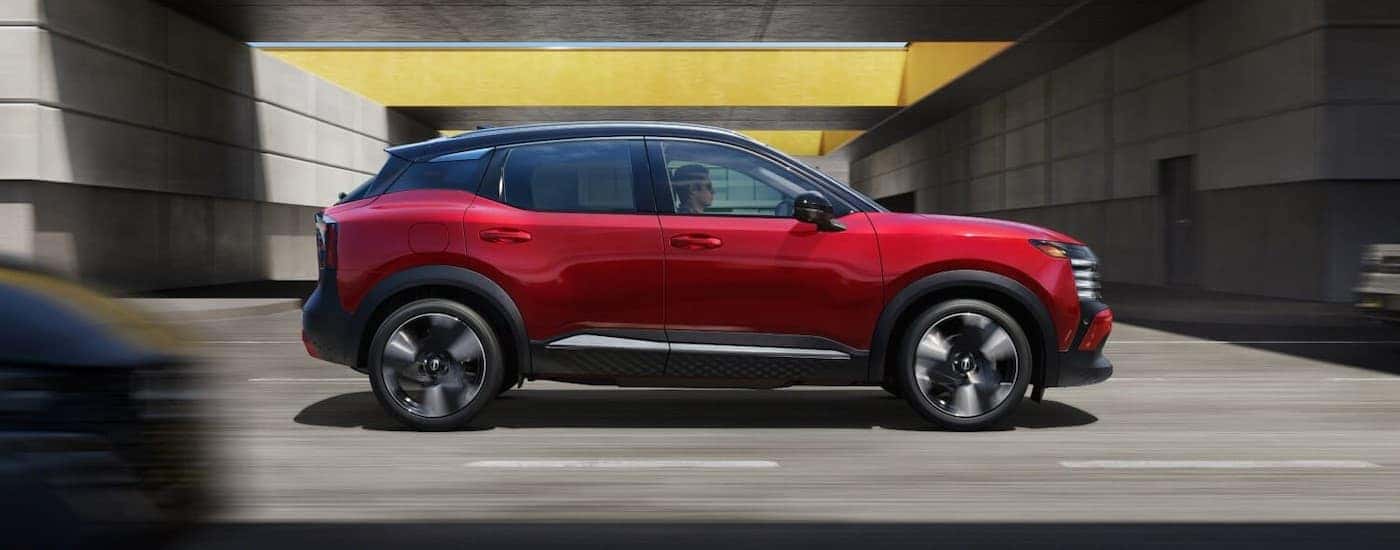
In a segment like this, performance isn’t about pushing limits—it’s about fitting seamlessly into your daily routine. Most drivers aren’t looking for aggressive acceleration or track-ready capabilities; they want something that feels smooth, reliable, and efficient every time they get behind the wheel. That’s exactly where the 2026 Nissan Kicks gains another edge over the Hyundai Kona.
Both vehicles are built around a similar foundation, offering a 2.0L I-4 engine that delivers dependable, everyday power. On paper, that puts them on relatively equal footing in terms of basic performance expectations. However, the difference becomes clear when you look at how efficiently that power is delivered—especially in all-wheel drive configurations.
The 2026 Kicks also has the advantage of providing a higher torque output with its 2.0L I-4 engine than what you get with the Kona’s equivalent engine. Although the Kona provides slightly more horsepower, Nissan’s subcompact SUV produces 140 lb-ft of torque, compared to the Kona’s 132 lb-ft of torque.
AWD Efficiency
Aside from the torque improvement, the 2026 Kicks offers better AWD fuel economy ratings than the Kona, giving it a practical advantage that shows up in real-world driving. Over time, even small differences in fuel efficiency can add up to meaningful savings. Fewer trips to the gas station mean less time spent refueling and more money staying in your pocket, which is something every driver can appreciate.
But how do these ratings look in the real world? With the 2026 Nissan Kicks equipped with the 2.0L I-4 engine and AWD, you get EPA-estimated ratings of 34 MPG on the highway and 30 MPG combined. The 2026 Kona instead achieves 29 MPG on the highway and 28 MPG combined. Both models get an EPA-estimated 27 MPG in the city.
This advantage becomes even more important for commuters and anyone who spends a lot of time on the road. Whether you’re driving to work every day, running errands throughout the week, or heading out for longer trips, improved fuel economy helps reduce the overall cost of ownership while making your driving experience more convenient.
Performance for Everyday Life
The Kicks feels well-suited to city and suburban environments, where its subcompact size and responsive handling make it easy to navigate tight spaces. Parking is simpler, maneuvering through traffic feels less stressful, and the overall driving experience is more relaxed. It’s the kind of vehicle that adapts to your lifestyle rather than requiring you to adjust to it.
While the Kona certainly offers capable performance, it doesn’t match the efficiency of comparable configurations. For drivers who prioritize practicality—and especially those who are mindful of fuel costs—the Kicks stands out as the smarter choice.
At the end of the day, the 2026 Nissan Kicks vs 2026 Hyundai Kona comparison comes down to how each vehicle fits into your everyday life. And when efficiency plays a major role in that equation, the Nissan Kicks comes out ahead.
Cargo Space
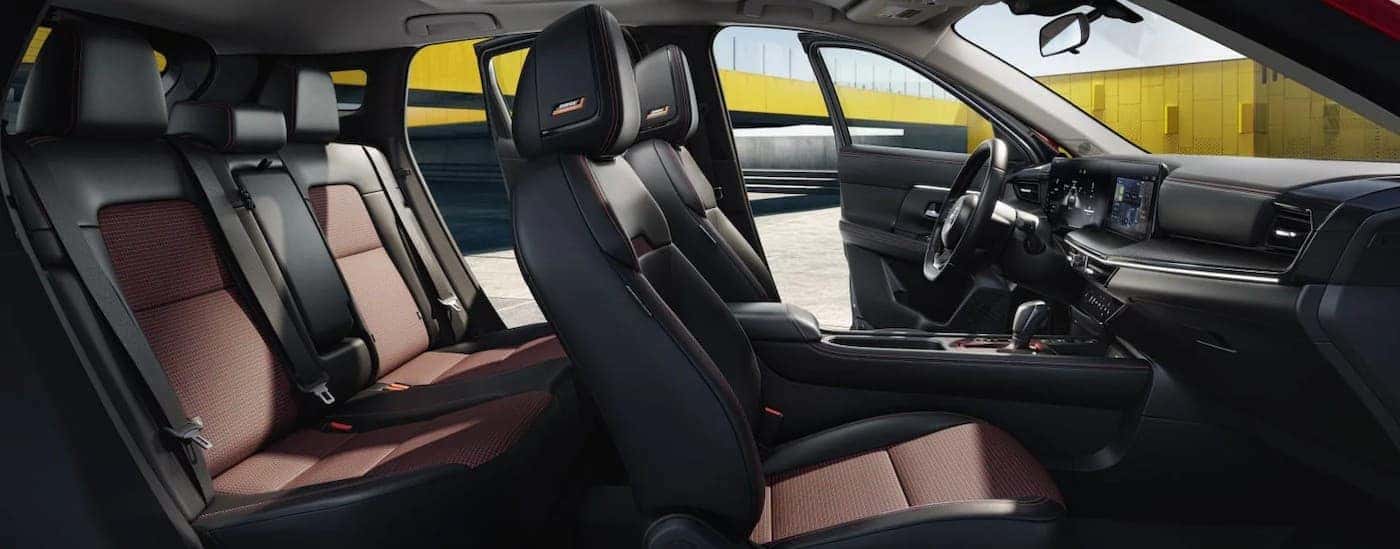
Cargo space is one of those features that tends to become more important the longer you own a vehicle. It might not be the first thing you think about when comparing SUVs, but once you start using your vehicle for daily tasks, errands, and trips, having enough room—without needing to constantly rearrange your interior—makes a big difference. This is another area where the 2026 Nissan Kicks clearly outperforms the 2026 Hyundai Kona.
One of the Kick’s biggest advantages is the amount of cargo space available behind the second row. When you consider that you’ll likely only rarely be folding the back seats to maximize your cargo room, this is the space you’ll use most often in everyday situations, and having more of it means greater flexibility without needing to fold down seats and limit passenger capacity. Whether you’re loading groceries, carrying work equipment, or packing for a weekend trip with the family, the Kicks is designed to handle it with ease.
A Practical Approach
This practical approach to cargo space is what sets the Kicks apart. While many vehicles focus on maximum cargo capacity with the rear seats folded, that’s not always helpful in real-world scenarios. Most of the time, you’ll be using your SUV with passengers in the back, which makes standard cargo space far more relevant for families and commuters alike.
In this area, the Kicks gives you more room to work with right from the start, with 30 cu.ft. of cargo space available at all times, which is then doubled to an even 60 cu.ft. by folding the second row. Comparatively, the 2026 Kona only has 25.5 cu.ft. of space behind the rear seats.
The added space means fewer compromises. You don’t have to think twice about picking up extra items at the store or bringing along additional gear for a day out. Everything fits more naturally, and you spend less time reorganizing or making things work.
By comparison, the Kona offers less cargo space in this standard configuration, which can lead to more frequent adjustments—like folding down seats or limiting what you bring along. While that may not seem like a major drawback at first, it can become an inconvenience over time, especially for drivers who rely on their vehicle for more than just commuting.
A User-Friendly Experience
For small families, active individuals, and anyone who values convenience, the Kicks provides a more user-friendly experience. It’s built with everyday life in mind, offering the kind of space that actually gets used rather than just looking good on paper. Not to mention that the 2026 Kicks offers better front legroom than the Kona, making for a more comfortable experience, especially for you, the driver. Using the base trims as a point of comparison, the 2026 Kicks has 42.7 inches of legroom compared to 41.7 inches in the Kona.
When comparing the 2026 Nissan Kicks vs 2026 Hyundai Kona, this is a clear example of how thoughtful design can make a difference. The Kicks doesn’t just offer cargo space—it offers cargo space that works for you.

Experience the Nissan Kicks
If you’re ready to experience the advantages of the 2026 Nissan Kicks for yourself, Illini Nissan is here to help make the process simple. As a trusted destination for Nissan vehicles, we offer a wide selection of new Kicks models, so you can explore different trims, features, and configurations in one place.
Our team is focused on helping you find the right fit for your needs, whether that means comparing features, answering questions, or setting up a test drive. You’ll also find flexible financing options, including lease and loan solutions designed to work with a variety of budgets, making it easier to move forward with confidence.
Beyond the purchase, we continue to support you with a dedicated service department staffed by trained technicians who understand your vehicle. From routine maintenance to more in-depth service, you can count on reliable care throughout your ownership experience.
When you’re comparing options like the 2026 Nissan Kicks vs 2026 Hyundai Kona, seeing the former in person can make all the difference. Visit us at Illini Nissan today to explore your options and take the next step toward a vehicle that delivers real value, efficiency, and everyday practicality.
[a]MSRP excluding tax, license, registration, destination charge, and accessories. MSRP may change without notice. See dealer for complete details.
