

2026 Nissan Rogue vs 2026 Kia Sportage: The Smarter Choice for Your Daily Commute
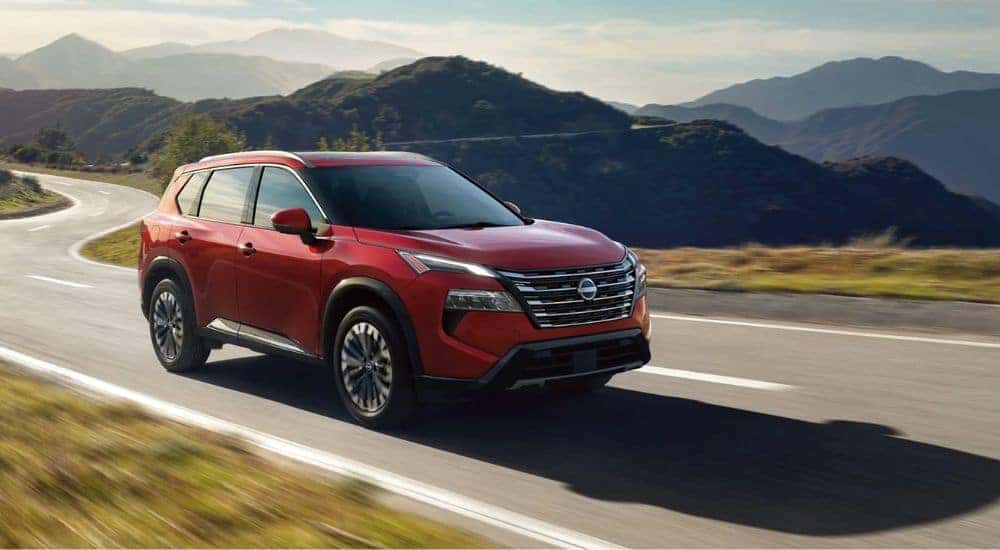
Finding the right compact SUV often feels like a part-time job, especially with so many capable options crowding the market. If you are narrowing down your final choices, you might be comparing the 2026 Nissan Rogue vs 2026 Kia Sportage. Both of these popular models have built solid reputations over the years for delivering practical value to families and solo commuters alike.
On paper, it can be tough to spot the meaningful differences between two highly competitive vehicles. Automakers tend to highlight similar features, like standard touchscreen displays and basic driver assistance suites. This similarity makes it difficult to figure out which vehicle actually aligns with your specific needs and driving habits. To make a confident decision, you have to look past the surface-level numbers and examine how these vehicles perform in real-world scenarios. Looking closely at powertrain performance, cargo flexibility, and everyday comfort reveals some key advantages that put the Nissan ahead of the competition.
Standard Engines
Under the hood is where the driving experience begins for any vehicle on the market today. The Kia Sportage relies on a traditional naturally aspirated 2.5L four-cylinder engine for the gas-powered models. This setup provides adequate power for low-speed city driving and standard highway cruising in light traffic. Nissan takes a completely different approach with the Rogue by introducing advanced engineering to the mainstream consumer market. Every gas-powered Rogue features a 1.5L Variable Compression Turbo, or VC-Turbo, three-cylinder engine.
Most traditional car engines have a fixed compression ratio, meaning their internal components operate the same way at all times. This forces automotive engineers to compromise between raw power and overall fuel efficiency during the design phase. Nissan developed an engine that can change its compression ratio on the fly based on your driving inputs. When you press the gas pedal to merge onto the highway, the engine lowers its compression ratio to maximize turbo boost and deliver immediate acceleration. When you cruise at a steady speed, the system raises the compression ratio to sip fuel conservatively.
This technology sounds complex, but the tangible benefits for the average driver are straightforward. The Nissan Rogue produces 201 hp and 225 lb-ft of torque, while the standard engine on the Sportage produces 187 hp and 178 lb-ft of torque. You get this extra passing power without sacrificing fuel economy, which remains a rare combination in the compact class.
Fuel Economy
Fuel efficiency remains a top priority for families and commuters who want to keep their monthly expenses low. The standard Sportage models offer average fuel economy numbers for the compact segment. Thanks to its innovative VC-Turbo engine, the Rogue pushes those numbers much further. Front-wheel drive versions of the Rogue can achieve up to 29 MPG in the city and an impressive 36 MPG on the highway.
Cargo Space and Storage
When auto manufacturers talk about cargo space, they usually just provide a raw cubic-foot measurement for consumers to compare. The Sportage and Rogue both boast a large rear cargo area of 74.1 cu.ft. with the rear seats folded down. However, a large empty box is not always the most practical or efficient way to transport your belongings. Nissan recognizes that real life requires thoughtful organization, not just a massive amount of empty volume.
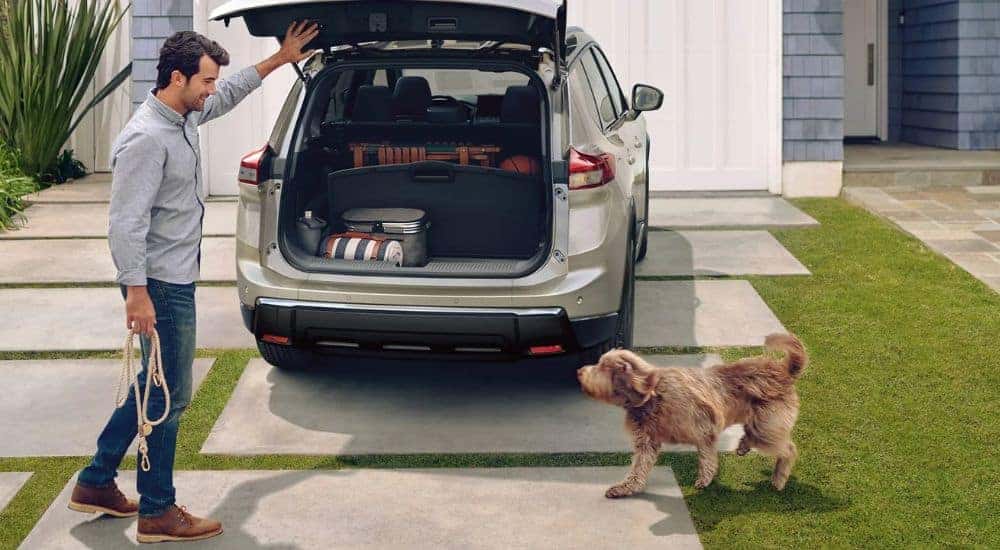
The Rogue features the highly regarded Divide-N-Hide cargo system in its mid-to-high trim levels. This uses two movable floor panels to create up to six different cargo configurations in the trunk. You can lower the floor to accommodate taller items, such as a potted plant or a bulky piece of furniture. You can also raise the panels to create a completely flat load floor when the rear passenger seats are folded down. This flexibility adapts to your changing needs throughout the week.
Think about a typical trip to the local grocery store to stock up for the week. With a standard cargo area, your bags often tip over and roll around on the drive home. The Divide-N-Hide system lets you create a vertical partition to keep groceries secure and upright in transit. If you have a laptop bag or a purse you want to leave in the car, you can create a hidden compartment under the floorboards. This hidden space provides peace of mind when parking your vehicle in a public area.
Seat Comfort That Actually Matters
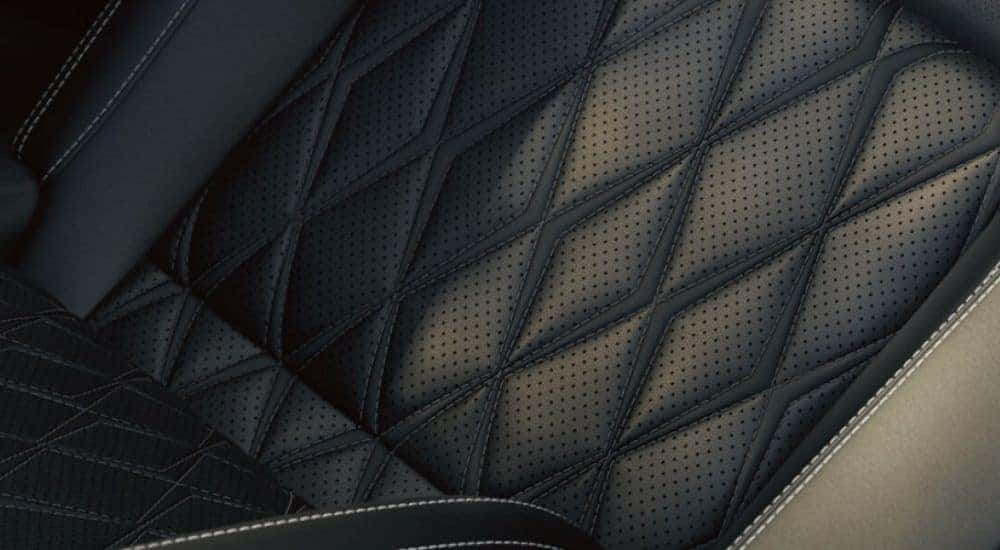
We spend hundreds of hours in our vehicles every single year, making seat design important in overall satisfaction. Kia provides comfortable seating in the Sportage, with available synthetic leather trim and optional heating elements. Nissan goes a step further by providing Zero Gravity seat designs for both the front and rear passengers.
Traditional car seats often force your body into an unnatural posture, leading to lower back pain over time. Zero Gravity seats are built with 14 different pressure points to support your spine in its most neutral position. By distributing your body weight more evenly, the seats minimize the strain on your core muscles and joints. You will step out of the vehicle feeling refreshed instead of stiff and sore.
Interior Technology and Connectivity
In-car technology should simplify your drive, not add unnecessary distractions or complicated menus to navigate. Both the Rogue and the Sportage offer digital touchscreens and standard smartphone integration features. Nissan elevates the user experience on higher trims by integrating Google built-in directly into the vehicle’s infotainment system. This means Google Maps, Google Assistant, and the Google Play Store run natively on the dashboard screen without needing a connected phone. You can navigate traffic, dictate text messages, and control smart home devices entirely through voice commands.
Families traveling together need multiple ways to keep devices charged and everyone entertained on the road. The Sportage offers USB ports in the front and rear to accommodate basic charging needs. The Rogue anticipates the demands of modern families by offering flexible charging solutions throughout the cabin. Rear passengers have access to both USB and USB-C ports, accommodating older devices as well as the newest smartphones.
Rear Door Functionality
Loading car seats or helping older relatives into the back of an SUV can be surprisingly difficult in tight parking spaces. The Kia Sportage features standard rear doors that open to a typical angle, which is fine for most situations. The Nissan Rogue solves this common pain point by engineering rear doors that open to nearly 90 degrees. This extra-wide opening creates a spacious entry, making it remarkably easy to maneuver a bulky child seat into place. It also gives passengers much more room to get their footing when entering or exiting the vehicle.
A Smarter Investment for the Road Ahead
Purchasing an SUV is about finding a vehicle that fits seamlessly into your specific lifestyle and daily routine. The Kia Sportage is a solid contender with a roomy passenger cabin and modern technology. The Nissan Rogue simply works harder to make your daily routine easier and more enjoyable. From the fuel-saving engineering of the VC-Turbo engine to the everyday brilliance of the Divide-N-Hide cargo system, the Rogue anticipates what drivers actually need. It stands out as the more thoughtful and practical choice for modern drivers seeking long-term value.

0 comment(s) so far on 2026 Nissan Rogue vs 2026 Kia Sportage: The Smarter Choice for Your Daily Commute